
Arrierías 109
Jairo Sánchez
—
Este artículo se publicó por primera vez en la Revista Digital Arrierías el 13 de junio de 2021, edición 48 y se republica por ser de interés público.
El aislamiento, quien lo vive, es quien lo sufre.
Escribía el Dr. Rolando Espinoza en su plataforma de Facebook:
“Una crisis económica llevó a Jaime Alberto Ramírez, instructor de la Universidad Nacional de Colombia en Medellín, y a su esposa María Eugenia Álvarez a tomar la decisión de vender su casa. Pero tras perder su patrimonio ambos decidieron quitarse la vida.
Según los medios locales, la pareja se habría lanzado desde el piso 22 del residencial Andalucía ubicado en el centro de Medellín.
Habrá quienes resuman este tipo de sucesos como simples problemas económicos, pero eso es descabellado tan siquiera suponerlo. Obviamente el dinero tuvo que ver, pero no se piensa en que dos personas mayores llegaron a un límite inhumano bajo la presión financiera que se les volvió insostenible.
Y es que una deuda no son solo números, también conlleva no dormir bien, sobre pensar todo el día, sentir desesperanza o abandono. ¿Por qué? Pues porque en la población de adultos mayores el riesgo de ansiedad y depresión aumenta hasta en un 30%, mucho más si no se cuenta con apoyo familiar ni la presencia de los hijos.”
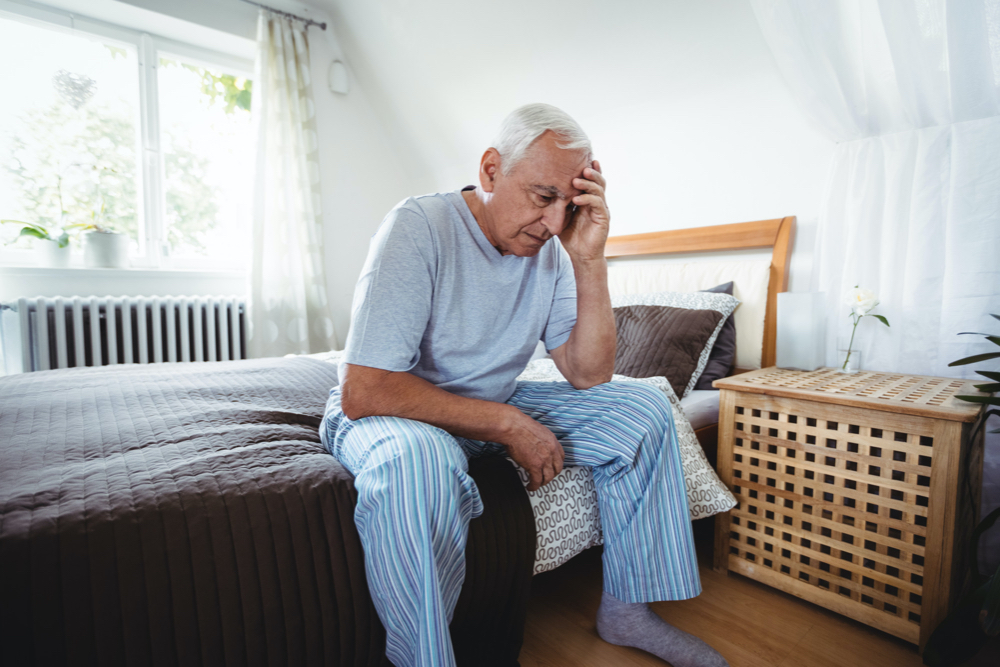
Es innegable que un gran número de nuestros lectores son personas de edad que han padecido por el encierro forzoso, voluntario y preventivo durante los meses transcurridos desde la aparición del Covid 19, y ahora, irónicamente, después de recibir la vacuna, el aislamiento continúa.
No es una situación envidiable la de ver reducida la presencia familiar, las visitas, los desplazamientos, la asistencia a lugares habituales de esparcimiento con amigos, y mucho menos, amanecer, cada día, con noticias sobre enfermedad o desaparición de familiares, amigos, conocidos o desconocidos que elevan el número creciente de contagios y muertos con que bombardean al oyente o televidente, todos los días las noticias nacionales o internacionales.
Durante los meses anteriores a la vacunación, los padres y nietos cuidaban del abuelo, de su aislamiento social y de cualquier circunstancia que lo pudiera contagiar. Ahora, irónicamente, los papeles se han invertido. Son los abuelos quienes están viendo como sus hijos y nietos se contagian y mueren por relajamiento y contagios de aglomeración y apertura comercial.
Esa persona adulta que no volvió a reunirse con su grupo de amigos a jugar dominó, parqués, tertuliar, tomar tinto y mucho menos a ser visitado o visitar personas como lo solía hacer, no puede sentirse menos que inhibido en su persona y libre albedrío, pues de ser completamente independiente, pasó a depender de circunstancias que él no puede controlar y que han limitado o borrado completamente su rutina cotidiana con la cual se sentía feliz y realizado.
El adulto mayor contrae problemas mentales y físicos asociados a una situación que lo agobie, la pandemia está mostrando su incidencia en la salud mental de la tercera edad.
No es necesario recalcar sobre un fenómeno que todos estamos sobrellevando. El aislamiento, el temor, la cesación laboral, la pérdida de las habituales ocupaciones, el temor a los servicios de salud intrahospitalarios, las enfermedades crónicas con aplazamiento de diagnóstico y pronóstico por parálisis en cirugías y presencialidad médica que despachan virtualmente, permiten que aparezcan señales que no pueden pasar desapercibidas cuando se trata de adultos porque su salud mental es un tesoro a cuidar.
¿Cómo puedo saber si una persona mayor cercana está teniendo un problema en su salud mental? 1.
Señales de alerta: cambios en la conducta.
- Aislamiento social.
- Quejas persistentes de memoria.
- Alteraciones de sueño.
- Preocupaciones excesivas acerca de la enfermedad y la muerte.
- Ansiedad de reciente inicio.
- Rechazo a alimentarse.
- Abandono del cuidado personal.
Algunas situaciones del adulto mayor pueden exacerbar su estado mental y llevarlo a condiciones de inestabilidad emocional o hasta el suicidio.
- Enfermedad crónica (de larga duración, por ejemplo: artrosis, diabetes, artritis).
- Diagnóstico reciente de una enfermedad temida (cáncer, demencia, etc.).
- Hospitalizaciones recurrentes o prolongadas.
- Cambios recientes o frecuentes de lugar habitual de residencia.
- Estar siendo sujeto de abuso o maltrato (físico, psicológico, económico etc.).
- Duelo de menos de 1 año o viudez reciente.
- Cuidar a una persona con dependencia.
- Dificultad para adaptarse a la jubilación.
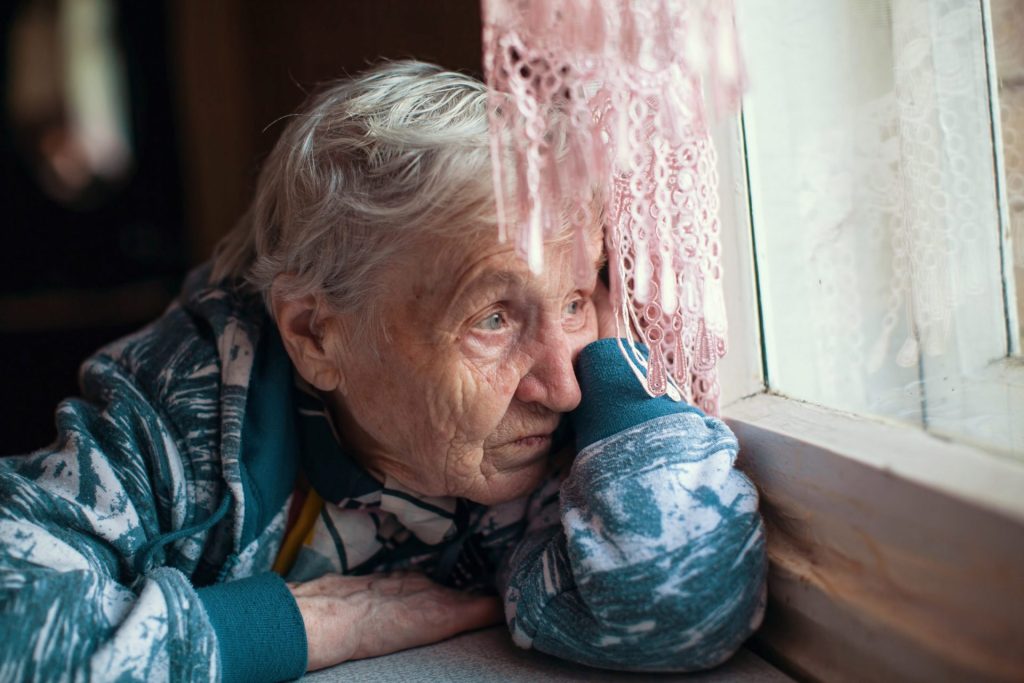
Los psiquiatras han determinado perfectamente las estadísticas del suicidio de ancianos y aunque no se difunden como otras, si son muy representativas y recurrentes.
¿Cuáles son las señales que nos inducen a pensar que nuestro adulto mayor puede o quiere acabar con su vida?
Cuando en su conversación expresa que:
- Se siente una carga para otros.
- No tiene razones para seguir viviendo.
- Siente haber perdido la dignidad.
- Se siente atrapado.
- Se siente sin esperanzas.
- Explícitamente, que quiere matarse.
Señales en la Conducta: - Abandonar actividades significativas.
- Aumentar el consumo de alcohol o fármacos.
- Impulsividad e imprudencia.
- Aislamiento de la familia y amigos.
- Buscar mecanismos para hacerse daño.
- Hacer cartas de despedida.
- Entregar elementos con valor sentimental a otros.
Señales físicas: - Dolor intenso o prolongado.
- Aumento o disminución marcada en las horas de sueño.
- Falta de energía extrema.
- Disminución importante del apetito y del consumo de alimentos.
Señales anímicas, Empeoramiento de: - Depresión.
- Ansiedad.
- Pérdida de intereses.
- Irritabilidad y rabia.
- Sentimientos de humillación.
¿Qué hacer?
Lo más aconsejable y obvio es la ayuda profesional del psicólogo o psiquiatra, pero, si en tiempo y condiciones normales estas personas son inaccesibles para los usuarios de las EPS, mucho menos ahora, que ni siquiera con consulta particular se accede a ellas, pues la consulta esta sobrecargada y centralizada.
Entonces, la ayuda recae en la familia y sus recursos de primera mano como son la atención y seguimiento al adulto.
¿Qué SÍ hacer?
• Escuchar, sin juzgar.
• Validar lo que la persona está sintiendo.
• Acompañar.
• Orientar a buscar ayuda profesional.
• Una vez que una persona mayor pidió ayuda es importante seguir acompañándola.
• Si es necesario, alertar a otras personas cercanas que puedan colaborar en estas
• mismas acciones.
• Ofrecer ayuda con las gestiones necesarias para ser atendido en su red de salud.
• Ofrecer ayuda en temas prácticos que puedan alivianar la vida cotidiana.
• Mantener contacto frecuente personal o telefónicamente.
¿Qué NO hacer?
• NO considerar que sentirse mal es una condición normal de la vejez.
• NO señalar que es algo que pasará con el tiempo y que no requiere tratamiento.
• NO insinuar que solo las personas débiles piden ayuda a los servicios de salud
• mental.
• NO atribuirlo exclusivamente a elementos de índole religiosa.
• NO descalificar lo que la persona está sintiendo.
• NO hacerle sentir que es una carga.
• NO suponer que, porque está acompañado, no puede sentirse solo.
• NO amenazar con institucionalizar u hospitalizar.
• NO negar que existe el riesgo de autoagresión.
Existen factores que ayudan a mantener la salud mental de las personas adultas. Debe darse un acompañamiento y animar a que se realicen.
• Realizar actividad física.
• Mantener actividades sociales.
• Participar de actividades de la comunidad.
• Realizar actividades que le gusten y sean significativas para esa persona.
• Pasar tiempo al aire libre y fresco.
• Descubrir potencialidades o roles sin realizar.
• Los adultos son muy espirituales, cultive esa cualidad.
• Cuando hay acercamiento familiar de hijos, nietos y allegados se puede discutir con el adulto acerca de libros, películas, viajes, experiencias. Dejarlo que exprese sus vivencias.
• Procurar que se mente no se deteriore y que aprenda cosas nuevas. Lecturas, crucigramas, juegos de mesa.
• Jamás suponga que la sexualidad en el adulto mayor desapareció. Esa es una función biológica como las demás inherentes a la vida.
• Tampoco crea que el aprendizaje no se da en la adultez. Inscríbalo en un curso de su gusto.
• Aprender un nuevo idioma es un arma poderosa para fortalecer el cerebro, darle vitalidad y crear nuevas conexiones nerviosas o despertar aquellas latentes, además de ser un recurso para prevenir la enfermedad del olvido, el Alzheimer.
• El SENA, tiene cursos para todos los gustos y edades, incluyendo el inglés como curso libre sin horarios y comenzando de cero.
• Si es necesario convivir con el Covid 19, entonces, hagamos que la vida y convivencia de nuestros adultos mayores sea soportable y agradable, pues están viviendo lo que nunca habían imaginado les tocaría vivir: enmascararse para salir, hablar y rezar. Cambiar el abrazo caluroso por un frio roce de puños y sobre todo la incertidumbre de si habrá un mañana.
- Salud Mental en personas Mayores. Ministerio de Salud, Chile.
—
English version.
ISOLATION AND MENTAL HEALTH IN OLDER ADULTS.
Arrierías 109
Jairo Sánchez
—
This article was first published in the digital magazine Arrierías on 13 June 2021, issue 48, and is being republished as it is of public interest.
Isolation: only those who experience it truly understand its impact.
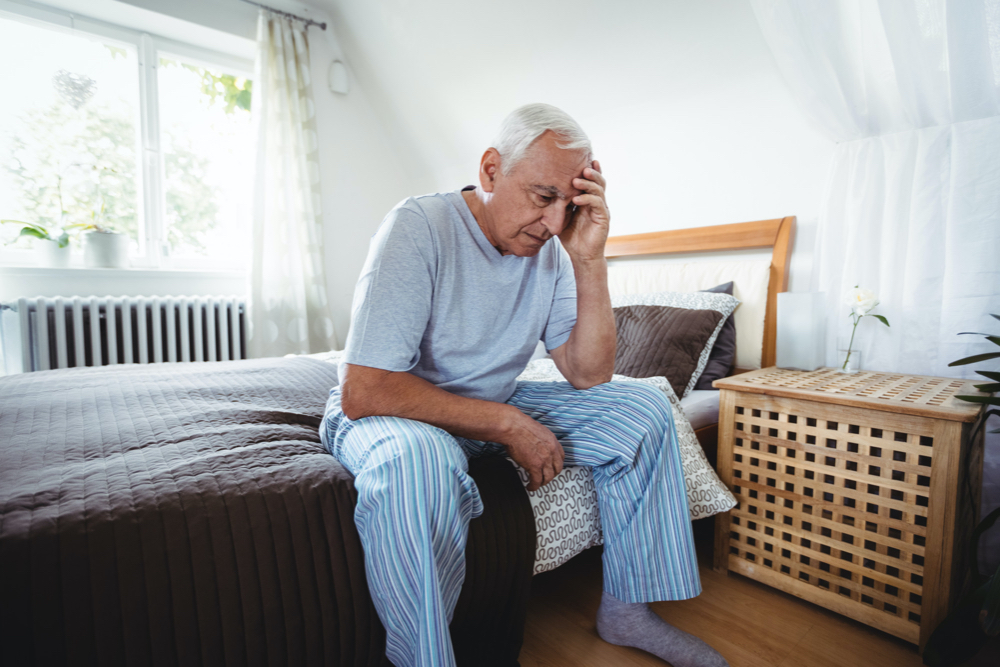
It is undeniable that a large number of our readers are older people who have suffered from forced, voluntary and preventive confinement during the months since the emergence of Covid-19, and now, ironically, after receiving the vaccine, the isolation continues.
It is no enviable situation to see a reduction in family contact, visits, outings, and trips to usual places of leisure with friends, let alone to wake up every day to news of illness or the passing of relatives, friends, acquaintances or strangers, which adds to the rising number of infections and deaths with which national and international news bombard listeners and viewers on a daily basis.
In the months leading up to vaccination, parents and grandchildren looked after the grandfather, ensuring his social isolation and protecting him from any situation that might infect him. Now, ironically, the roles have been reversed. It is the grandparents who are watching as their children and grandchildren become infected and die due to a relaxation of restrictions and infections resulting from crowds and the reopening of businesses.
That adult who no longer meets up with his group of friends to play dominoes, parquet, chat, drink coffee, let alone be visited or visit people as he used to, cannot help but feel restricted in his personal life and free will, for from being completely independent, they have come to depend on circumstances beyond their control, which have limited or completely erased their daily routine—the very routine that made them feel happy and fulfilled.
Older adults develop mental and physical problems associated with a situation that overwhelms them; the pandemic is demonstrating its impact on the mental health of the elderly.
There is no need to dwell on a phenomenon we are all coping with. Isolation, fear, job loss, the loss of usual activities, fear of hospital-based healthcare services, chronic illnesses with delayed diagnosis and prognosis due to the suspension of surgeries and in-person medical consultations being conducted virtually – all these factors give rise to signs that cannot go unnoticed when it comes to older adults, as their mental health is a treasure to be cherished.
How can I tell if an elderly person close to me is experiencing a mental health problem? 1.
Warning signs: changes in behaviour.
- Social isolation.
- Persistent complaints about memory.
- Sleep disturbances.
- Excessive worries about illness and death.
- New-onset anxiety.
- Refusal to eat.
- Neglect of personal care.
Certain situations experienced by older adults can exacerbate their mental state and lead to emotional instability or even suicide.
- Chronic illness (long-term conditions, e.g. osteoarthritis, diabetes, arthritis).
- A recent diagnosis of a feared illness (cancer, dementia, etc.).
- Recurrent or prolonged hospitalisations.
- Recent or frequent changes in usual place of residence.
- Being subjected to abuse or mistreatment (physical, psychological, financial, etc.).
- Bereavement of less than one year or recent widowhood.
- Caring for a dependent person.
- Difficulty adapting to retirement.
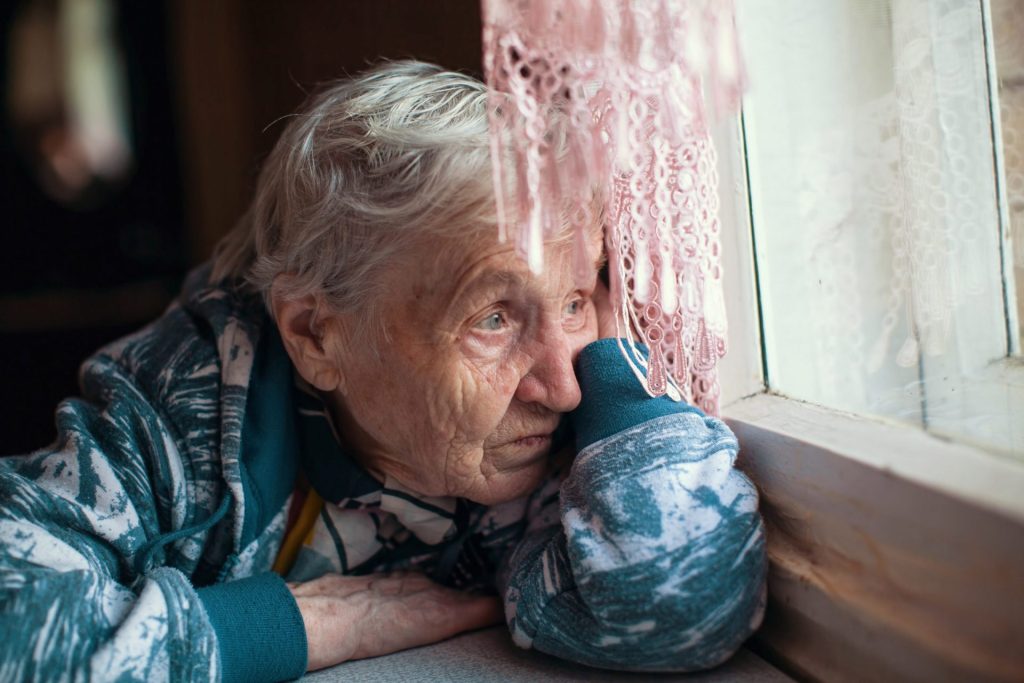
Psychiatrists have accurately established the statistics on suicide among the elderly, and although these are not publicised as widely as others, they are highly representative and recurrent.
What are the signs that lead us to believe that our elderly relative may be considering or intending to take their own life?
When, in conversation, they express that:
- They feel like a burden to others.
- They have no reason to carry on living.
- They feel they have lost their dignity.
- They feel trapped.
- They feel hopeless.
- They explicitly state that they want to kill themselves.
Behavioural signs: - Giving up meaningful activities.
- Increased consumption of alcohol or medication.
- Impulsiveness and recklessness.
- Withdrawal from family and friends.
- Seeking ways to harm themselves.
- Writing farewell letters.
- Giving away items of sentimental value to others.
Physical signs: - Intense or prolonged pain.
- A marked increase or decrease in hours of sleep.
- Extreme lack of energy.
- A significant decrease in appetite and food intake.
Mental health signs, worsening of: - Depression.
- Anxiety.
- Loss of interest.
- Irritability and anger.
- Feelings of humiliation.
What to do?
The most advisable and obvious course of action is to seek professional help from a psychologist or psychiatrist; however, if under normal circumstances these professionals are inaccessible to users of the EPS (Health Insurance Providers), this is even less the case now, as they cannot even be accessed through private practice, given that consultations are overloaded and centralised.
Therefore, the responsibility falls on the family and their immediate resources, such as providing care and support for the adult.
What SHOULD you do?
- Listen, without judging.
- Support
- Acknowledge how the person is feeling.
- Be there for them.
- Encourage them to seek professional help.
- Once an older person has asked for help, it is important to continue supporting them.
- If necessary, inform other close contacts who can assist with these
- same actions.
- Offer help with the necessary arrangements to receive care within their healthcare network.
- Offer help with practical matters that can make daily life easier.
- Maintain frequent contact in person or by telephone.
What NOT to do?
- DO NOT assume that feeling unwell is a normal part of old age.
- DO NOT suggest that it is something that will pass with time and does not require treatment.
- DO NOT imply that only weak people seek help from mental health services.
- DO NOT attribute it exclusively to religious factors.
- DO NOT dismiss what the person is feeling.
- DO NOT make them feel like a burden.
- DO NOT assume that, just because they have company, they cannot feel lonely.
- DO NOT threaten to place them in a care home or hospital.
- DO NOT deny that there is a risk of self-harm.
There are factors that help maintain the mental health of older adults. Support should be provided and they should be encouraged to engage in these activities. - Engage in physical activity.
- Maintain social activities.
- Take part in community activities.
- Engage in activities that they enjoy and find meaningful.
- Spend time outdoors in the fresh air.
- Discover untapped potential or unfulfilled roles.
- Adults are very spiritual; nurture that quality.
- When family members such as children, grandchildren and close friends visit, you can discuss books, films, travel and experiences with the older adult. Let them express their experiences.
- Ensure their mind does not deteriorate and that they learn new things. Reading, crosswords, board games.
- Never assume that sexuality in older adults has disappeared. It is a biological function just like any other inherent to life.
- Nor should you believe that learning does not happen in adulthood. Enroll them in a course they enjoy.
- Learning a new language is a powerful tool for strengthening the brain, giving it vitality and creating new neural connections or awakening dormant ones, as well as being a means of preventing dementia and Alzheimer’s disease.
• SENA offers courses for all tastes and ages, including English as a flexible course with no set timetable, starting from scratch. - If we must live with Covid-19, then let us make life and daily living for our older adults bearable and pleasant, as they are experiencing what they never imagined they would have to face: wearing masks to go out, speaking and praying. Replacing a warm embrace with a cold fist bump and, above all, the uncertainty of whether there will be a tomorrow.
- Mental Health in Older People. Ministry of Health, Chile.
Translated with DeepL.com (free version)

Comentarios recientes